

Low Libido During Menopause and Perimenopause
Physician-led menopause and sexual medicine care for women and couples

Loss of sexual desire during perimenopause or menopause is common — but it is often misunderstood or dismissed.
If your interest in sex has decreased or disappeared, this is not a personal failure, a lack of effort, or something you simply need to accept. Low libido during menopause is a medical concern with identifiable causes, and for many women, it is treatable.
When Desire Changes, It’s Not “Just in Your Head”
Many women describe feeling disconnected from desire even though they still value intimacy or love their partner. Others notice that sex feels less appealing, more effortful, or something they begin to avoid.
These changes can feel confusing or isolating — especially when no one has explained why they happen.
What you’re experiencing is real.
Why Libido Changes During Perimenopause and Menopause
Sexual desire is influenced by much more than mood or mindset. During perimenopause and menopause, several biological changes occur at the same time:
Declining estrogen and testosterone levels
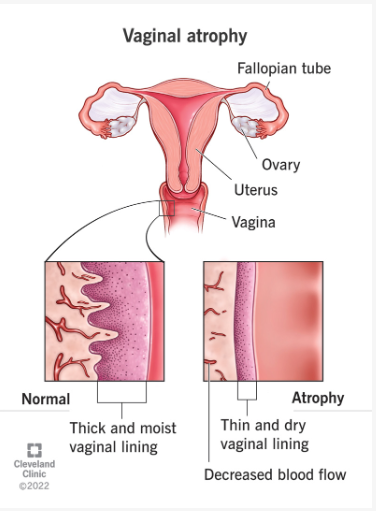
Changes in blood flow to genital tissues
Thinning and increased sensitivity of vaginal tissues
Altered nerve signaling involved in arousal and pleasure
Disrupted sleep and increased fatigue
Stress, brain fog, and mood changes
Libido is not a single hormone or switch — it is the result of hormonal, neurologic, vascular, and emotional factors working together. When those systems change, desire often changes with them.
How Low Libido Is Evaluated and Treated
There is no single solution for low libido, because there is no single cause.
Evaluation typically includes:
A detailed symptom history
Review of hormonal changes and medical factors
Understanding how pain, dryness, sleep, stress, or mood may be contributing
Identifying relationship or contextual factors when relevant
Treatment is individualized and may include:
Hormonal and non-hormonal options
Addressing vaginal health and comfort
Supporting nervous system and sleep health
Education that removes shame and confusion
The goal is not to “force” desire, but to restore the conditions in which desire can naturally return.

Who This Care Is For
This care may be appropriate if you are:
In your late 30s or 40s experiencing perimenopausal changes
Postmenopausal with persistent loss of desire
Avoiding intimacy due to discomfort or frustration
Feeling disconnected from your partner because of sexual changes
Looking for medical guidance rather than generic advice
Partner involvement is welcome when appropriate, but care is always centered on your comfort and goals.